

Skin Resurfacing
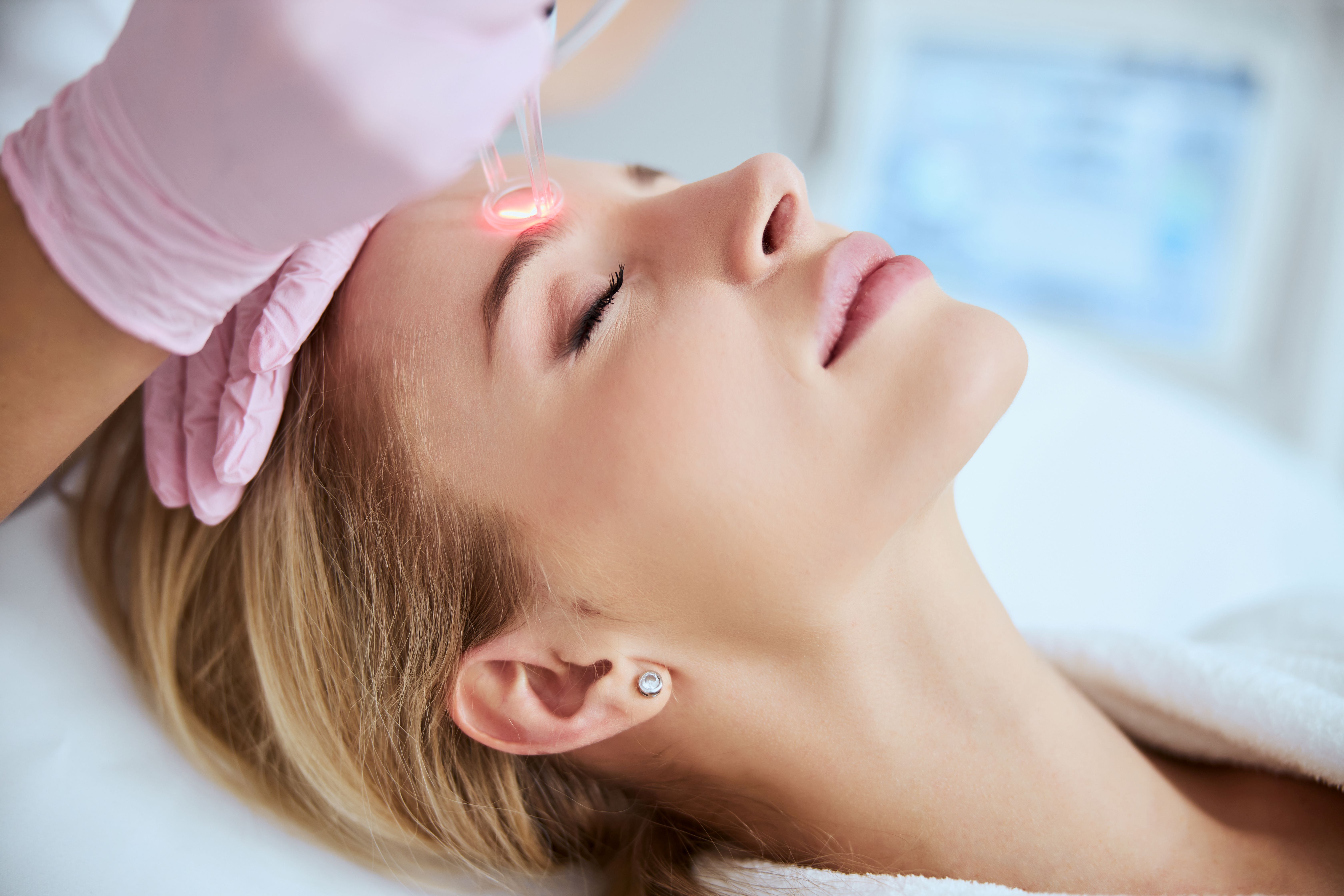

If your skin has been through a lot — sun damage, acne scars, fine lines, rough texture — resurfacing is one of the most effective ways to genuinely change what you see in the mirror. At Renovaré, we offer two powerful options that approach the process from different angles, and the right choice really depends on how deep your concerns go and how much downtime fits your life.
Both treatments work by prompting your skin's natural repair process. When the skin senses controlled damage, it responds by producing new collagen and fresh tissue. The result is skin that looks and acts younger — smoother, firmer, and more even. What sets our approach apart is that we take the time to actually understand your skin before recommending anything. Every patient has a different starting point, and we build around that.
Alma Opus Plasma
Opus Plasma is a non-invasive fractional radiofrequency treatment that uses plasma energy to resurface the skin and stimulate deep collagen production. It delivers controlled micro-injuries to the skin's surface while simultaneously heating the dermis beneath, which means you're addressing both texture and laxity at the same time. It's precise, fast, and remarkably effective for what feels like a relatively gentle treatment.
One of the things that makes Opus Plasma stand out is how well it works on skin that other devices struggle with — including darker skin tones. The technology is designed to work safely across all Fitzpatrick skin types, making it an inclusive option for patients who've been told in the past that resurfacing wasn't for them.
A typical session runs about 15 to 30 minutes per area, and most people experience a warm sensation during treatment. Topical numbing is applied beforehand to keep things comfortable. Afterward, you'll likely notice some redness and mild swelling that settles down within a few days. The skin gradually continues to improve over the following weeks as new collagen develops.
Opus Plasma works well for fine lines, enlarged pores, uneven texture, mild to moderate acne scarring, sun damage, pigmentation, stretch marks, and early skin laxity. It can be used on the face, neck, chest, and body.
Erbium Fractional — Pearl Fractional (Cutera Xeo)
The Pearl Fractional is a step up in intensity. This is an Erbium-based fractional laser that removes precise columns of skin tissue while leaving surrounding areas untouched — the fractional approach is what keeps recovery manageable compared to older fully ablative lasers. It goes deeper than Opus Plasma and is particularly effective for patients dealing with more significant scarring, deeper wrinkles, or more pronounced texture concerns.
Because this treatment is ablative, there is real downtime involved. Most patients experience redness, swelling, and some peeling over about five to seven days, sometimes a bit longer depending on treatment depth. That recovery is actually a sign the skin is doing what it's supposed to — shedding the damaged layers and rebuilding from underneath. The results, when the skin fully heals, are often dramatic.
Pearl Fractional is one of the more powerful resurfacing tools available, and the precision of the Cutera Xeo system means treatments can be customized to your skin's specific needs. It's an excellent option for deeper acne scars, more advanced sun damage, coarse texture, and patients who are ready to invest in real downtime for a bigger outcome.
Which One Is Right for You?
If you're looking for meaningful improvement without taking significant time off — or if you're newer to resurfacing — Opus Plasma is often the place to start. It can be done in a series of treatments to progressively build results. If you have more significant concerns and are ready for a deeper reset, Pearl Fractional may deliver what you're looking for in fewer sessions. In some cases, both treatments are used strategically at different points in a patient's plan.
The best way to figure out which direction makes sense for you is a consultation. We'll look at your skin, talk through your goals, and give you a clear picture of what to expect.
Skin resurfacing at Renovaré addresses real concerns with clinically proven technology — improving tone, texture, and firmness in a way that feels tailored to you, not one-size-fits-all.
FAQ
FAQs
Answers to your frequently asked questions.
Opus Plasma uses fractional radiofrequency and plasma energy to resurface the skin with minimal downtime — usually just a few days of redness. Pearl Fractional is an Erbium laser that goes deeper into the skin tissue for more significant correction. It delivers more dramatic results for things like deeper scars or pronounced texture, but it comes with a longer recovery of around five to seven days. The right choice depends on your skin concerns and how much downtime you can work with.
It depends on the treatment and your goals. Opus Plasma works well as a series — many patients do three sessions spaced about four to six weeks apart to progressively build results. Pearl Fractional often achieves meaningful improvement in one or two sessions because it works at a deeper level. Your provider will walk you through a realistic plan at your consultation.
Topical numbing cream is applied before both treatments, which makes a big difference in comfort. Opus Plasma patients typically describe a warm, prickling sensation. Pearl Fractional is more intense but still manageable with proper numbing. Any discomfort during treatment is brief, and most people feel fine within a few hours afterward.
With Opus Plasma, you may notice some initial improvement within a week as the skin heals, with continued improvement over the next two to three months as new collagen develops. Pearl Fractional results become more visible once the skin has fully healed — typically within one to two weeks — and continue to improve for up to six months as collagen remodeling progresses.